Tired of chips and vending machine runs? Here are 10 healthy snacks I actually stuck with, plus easy prep tips and mistakes to avoid.
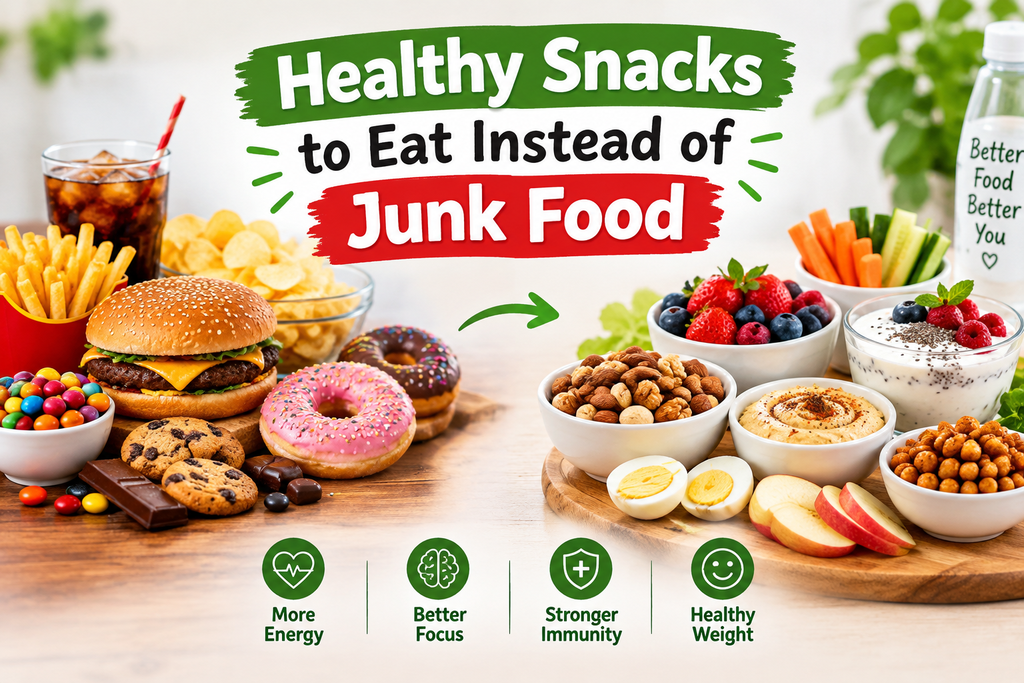
Healthy Snacks That Actually Beat Junk Food It was 3:40 on a Tuesday afternoon, and I was standing in front of the office vending machine like it owed me money. I’d had a decent lunch. I wasn’t even properly hungry. But my brain had decided that a bag of salty chips and a chocolate bar were the only things that could get me through the next two hours of spreadsheets.
I bought both. Ate them in about four minutes. Felt sluggish and slightly annoyed with myself by 4:15.
That was my daily routine for almost two years. Every time I tried to “eat healthier,” I’d buy a bunch of plain almonds and a bag of baby carrots, last about three days, then crash back into the vending machine. If that sounds familiar, this article is for you.
I’m not a nutritionist, and I’m not going to tell you what to weigh or promise some miracle result. What I can do is share what finally worked for me after plenty of failed attempts, the mistakes that wasted my money, and the swaps that I still use today.
First, Why Your Healthy Snack Plan Keeps Failing
Here’s what I got wrong for a long time: I treated snacking like a willpower problem. It almost never is.
When I looked at my own pattern honestly, I noticed three things.
I was snacking out of boredom or stress, not hunger. The 3:40 slump had more to do with a boring task and a tired brain than an empty stomach.
I was replacing junk food with food I didn’t actually enjoy. Plain rice cakes and raw celery are not a real replacement for a bag of crisps. Of course I gave up.
I had zero backup plan. Healthy options required prep. Junk food required walking twenty steps. Guess which one won every time.
Once I understood that, the goal changed. I stopped trying to be a person who loves kale chips (I’m not), and started trying to build a short list of snacks I genuinely liked that were also easy to grab.
The Snacks That Stuck (And Why)
These aren’t ranked, and none of them are magic. They’re just the ones I kept coming back to after the novelty wore off.
1. Greek Yogurt With Something Crunchy
This was my first real win. Plain Greek yogurt on its own is, let’s be honest, a bit sour and sad. But add a spoon of honey, a handful of berries, and a sprinkle of granola or crushed nuts, and it feels like dessert.
The reason it works for me is that it’s filling. It has a decent amount of protein, so I don’t get hungry again 40 minutes later the way I did after a pastry.
A small warning from experience: flavored yogurts in little cups often have a surprising amount of added sugar. I bought a “fruit on the bottom” variety for weeks before reading the label and realizing it was close to a dessert already. Plain yogurt plus your own toppings gives you control.
2. Apple Slices With Peanut Butter
Simple, a bit boring on paper, and still one of the best things I’ve eaten for an afternoon snack. The sweetness of the apple plus the creamy, salty peanut butter hits the same craving as a chocolate bar.
Two tips I learned the hard way:
- Check the peanut butter ingredients. Some brands add a lot of sugar and oils. The simple versions with just peanuts (and maybe salt) taste better to me anyway.
- Portion it. I once sat down with a jar and a spoon “just for a bit” and went through half of it. Peanut butter is healthy-ish, but it’s also dense in calories. Two tablespoons on a plate is plenty.
If you have a nut allergy, obviously skip this one. Sunflower seed butter works as an alternative.
3. Roasted Chickpeas
This was the swap that surprised me most. I wanted something crunchy and salty to replace chips, and I’d seen roasted chickpeas mentioned all over the place but assumed they’d taste like cardboard.
They don’t. Done right, they’re genuinely crunchy and weirdly addictive.
Here’s how I make them:
- Drain and rinse a can of chickpeas, then dry them really well with a clean towel. This step matters. Wet chickpeas turn out soggy.
- Toss them with a little olive oil, salt, and a spice you like. Smoked paprika or garlic powder are my go-tos.
- Spread them on a baking tray and roast at around 200°C (400°F) for 25 to 30 minutes, shaking the tray halfway through.
- Let them cool completely before storing, or they lose their crunch.
My first batch was soggy because I skipped the drying step. My second batch was burnt because I got distracted by my phone. The third was perfect. Learn from my mistakes.
They keep for a few days in an airtight container, though honestly mine rarely last that long.
4. Popcorn (The Plain Kind, Made at Home)
I used to think microwave popcorn was the healthy choice because it’s “just popcorn.” Then I read the label on the buttery kind I was buying and rethought that.
Air-popped or stovetop popcorn is a completely different story. It’s a whole grain, it’s high in volume (so a big bowl feels satisfying), and you control what goes on it.
I pop mine in a pot with a little oil and a lid, then add a pinch of salt and sometimes some nutritional yeast or cinnamon. It feels like a treat, and I can eat a lot of it without the heavy feeling that chips gave me.
5. Hummus With Vegetables (Or Whole Grain Crackers)
Raw carrots alone made me want to cry. Carrots dipped in decent hummus? A completely different experience.
I started with the basics, like cucumber sticks, bell pepper strips, and cherry tomatoes. Then I added whole grain pita or crackers on days when I wanted something more filling.
Pre-made hummus from the store is fine, and it’s what I use most days. When I have time, I blend a tin of chickpeas with tahini, lemon juice, garlic, and olive oil. It’s easier than people think.
6. A Small Handful of Nuts and Dried Fruit
Yes, this is the obvious one, and yes, it’s the one I failed at the most at first. The trick for me was variety and portion control.
Plain almonds were too boring. A small mix of almonds, walnuts, a few raisins or dried apricots, and maybe a couple of dark chocolate pieces turned it into something I actually looked forward to.
The mistake I made early on: eating straight from the big bag. Nuts are nutritious, but they’re easy to overeat because they’re so small and tasty. I now portion a handful into a small container in the morning, and that’s it for the day.
Dried fruit is also higher in sugar than people expect, so I keep that part small.
7. Boiled Eggs
This one sounds old-fashioned, but it’s one of the most practical snacks I’ve found. I boil half a dozen at the start of the week, peel them, and keep them in the fridge.
They’re cheap, portable, and filling. A bit of salt and pepper is enough for me, though some people like a dash of hot sauce.
One small note: I learned that eggs boiled for around 10 minutes and then dunked in cold water are far easier to peel. My early attempts left me with sad, cratered eggs.
8. Dark Chocolate (Yes, Really)
I’m not going to pretend I can live without chocolate, and I don’t think you should have to either. Instead of fighting the craving, I started keeping a bar of dark chocolate (70% or higher) and having one or two squares.
It’s richer and more intense than milk chocolate, so a small piece satisfies me. I’ve found that when I allow a small treat, I’m much less likely to binge on a whole sharing-size bar later.
9. Cottage Cheese With Fruit or Tomatoes
This one divides people. I wasn’t a fan of cottage cheese for years, but paired with pineapple or fresh tomatoes and black pepper, I changed my mind. It’s high in protein and keeps me full for a surprisingly long time.
If you don’t like the texture, don’t force it. That’s the whole point of this article: find what you’ll actually eat.
10. Frozen Grapes or Berries
When I’m craving something sweet and cold in the evening, frozen grapes are my replacement for ice cream. They taste like little sorbet bites. Frozen blueberries work too.
It sounds silly, but it genuinely scratches the sweet tooth without the sugar crash.
A Simple Step-by-Step Way to Make This Stick
Knowing what to eat is only half the battle. Here’s the process that actually changed my habits.
Step 1: Track what you’re really snacking on for one week. I used a free app called Cronometer for a few days, though MyFitnessPal and Yazio do similar things. I wasn’t trying to count calories obsessively. I just wanted to see my patterns. I discovered I was doing most of my junk snacking between 3 and 5 p.m. and late at night.
Step 2: Find your trigger times. Once I saw the pattern, I could prepare for it. If your danger zone is late afternoon, have a good snack ready before it hits.
Step 3: Pick two or three snacks, not ten. I know I just listed ten. But when I started, I chose only three: Greek yogurt, apples with peanut butter, and roasted chickpeas. Too many options felt like homework.
Step 4: Prep once, snack all week. On Sundays, I boil eggs, roast a tray of chickpeas, wash and cut vegetables, and portion nuts into small containers. It takes about 30 minutes. Glass containers with lids keep everything fresh and visible in the fridge.
Step 5: Make junk food slightly harder to reach. I stopped keeping chips and sweets at my desk and in the front of the cupboard. Healthy options go at eye level. It sounds almost too simple, but this made a real difference for me.
Step 6: Read labels, but don’t obsess. The free Open Food Facts app lets you scan a barcode and see ingredients and a general nutrition score. It’s useful for catching sneaky added sugars in things that look healthy, like granola bars and flavored yogurts. I use it to compare two products, not to stress about every purchase.
Step 7: Allow yourself the occasional treat. This was the biggest lesson. When I banned junk food completely, I lasted about four days before overdoing it. Now I have a small treat when I really want one, and the cycle of guilt and bingeing has mostly disappeared.
Mistakes I Made (So You Can Skip Them)
Trusting the word “healthy” on packaging. Granola bars, protein bars, fruit juices, and “veggie” chips all looked virtuous to me. Many turned out to be packed with sugar or heavily processed. The front of the pack tells a story. The ingredients list tells the truth.
Going too extreme, too fast. My first attempt involved throwing out everything in my kitchen and buying a cartload of salad ingredients. It lasted a week. Small swaps beat dramatic overhauls.
Not eating enough at meals. For a while, I was under-eating at lunch and then wondering why I was ravenous at 4 p.m. Sometimes the fix for snacking is a more filling meal earlier in the day, with some protein and fiber.
Ignoring thirst. This is not a magic trick, but I noticed that on days I drank very little water, I snacked more. A glass of water and a five-minute wait sometimes showed me I wasn’t actually hungry. Other times I was, and then I ate the snack without guilt.
Eating mindlessly in front of a screen. I could finish a whole bowl of popcorn during one episode and barely remember it. Putting snacks in a small bowl rather than eating from the bag helped me pay attention.
Buying snacks I didn’t actually like. If you dread eating it, you won’t. That plain rice cake phase taught me that.
A Few Real Scenarios
At the office: I keep a small container of nuts and a piece of fruit in my bag. When the afternoon slump hits, I eat those before I even think about the vending machine. If I’m really craving something else, I allow myself a small piece of chocolate.
On the road: Gas stations are a minefield. I pack a banana, a few boiled eggs, or a small bag of homemade popcorn. Having something with me removes the temptation to grab whatever is at the register.
Late-night cravings: This is my weakest spot. A small bowl of Greek yogurt with berries or a few frozen grapes usually does the trick. If I’m genuinely hungry, I’ll have a small, proper snack. If I’m just bored, I try to switch activity for ten minutes and see if the craving fades.
For kids or family: I’ve noticed that sliced fruit on a plate disappears fast, while a whole apple often sits untouched. Presentation matters, even for adults.
A Quick Honest Note
I’m sharing what worked for me, and I’m not a doctor or dietitian. If you have diabetes, food allergies, a medical condition, or a history of disordered eating, please talk to a healthcare professional before changing how you eat. What works for one body doesn’t always work for another, and a qualified person can give you advice that fits your situation.
Final Thoughts
I still eat chips sometimes. I still end up at the occasional vending machine. The difference now is that it’s a choice rather than an automatic reaction to a bad afternoon.
What changed everything for me wasn’t a perfect diet. It was making the better option easy, tasty, and already waiting for me when the craving hit. A container of roasted chickpeas in my bag beat my willpower every single time.
If you only do one thing after reading this, pick one snack from the list, prep it this weekend, and see how the next Tuesday afternoon feels. Start small, adjust as you go, and keep the stuff you actually enjoy.
One thought on “Healthy Snacks That Actually Beat Junk Food”